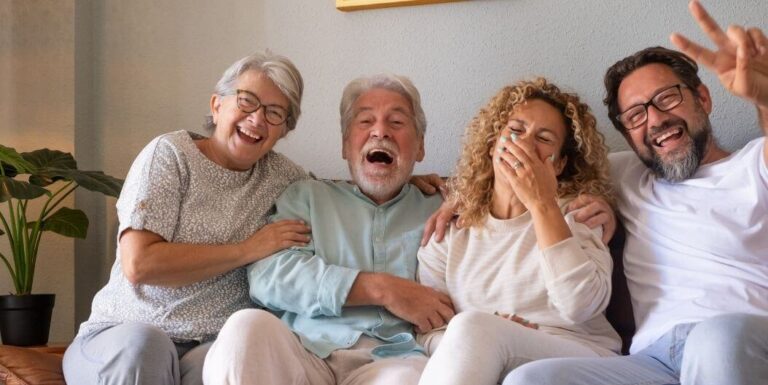
How Sharing Meals Fosters a Sense of Belonging in a Senior Living Community
If you’re starting to consider moving into a senior living community, you’re probably weighing a lot more than square footage or amenities. What will your days actually feel like? Will you feel connected, at ease, or feel like you belong?
Food plays a bigger role in that than most people expect.
Sure, meals matter for your health. That part’s obvious. But what doesn’t always get enough attention is how sharing a meal can anchor your day. It turns into more than just a meal. It’s comfort, routine, and connection.
Because it’s never just about the food. It’s who you’re sharing it with. That’s where it clicks, a story here, a laugh there, little moments that sneak up and remind you that you’re part of something.
This article is all about that. How shared meals quietly build a sense of belonging that sticks.
Meals as a Natural Gathering Point
Every community has its gathering spots. In senior living, the dining room often becomes the heart of it all.
Meals are what quietly hold the day together. Breakfast leads to lunch, lunch to dinner, and in between, you’ve had three natural chances to bump into someone, share a smile, and maybe start a new conversation.
When you’re still finding your footing, that kind of rhythm matters. It’s something solid. Something that makes the unfamiliar feel a little more familiar. Something simple that says, “Hey, you’re part of this.”
You don’t have to make plans. You just show up. And gradually, those casual hellos across the table turn into actual conversations. That’s how community forms. One meal at a time.
Reducing Isolation Through Shared Dining
Loneliness doesn’t always announce itself. Sometimes it just kind of settles in quietly, especially if you’re living alone.
Shared dining changes that. You sit in a room where there’s movement: forks on plates, chairs pulling back, someone laughing at a story you’ve heard a few times but don’t mind hearing again. That background noise? It matters. It fills the room in this quiet, steady way, a kind of reminder that you’re not doing life solo.
And you don’t have to say much. You don’t have to say anything, really. Just being there, sharing the space, and eating alongside others, that’s enough to feel connected.
And when meals are consistent, so is that sense of belonging. You don’t need to knock on someone’s door to set up lunch. The table is already there.
Conversations Over Coffee: Friendship Starts Small
Do you know what usually kicks off a friendship? A comment about the weather or the soup.
Seriously. Most connections don’t start with deep talks; they start small. A comment about the eggs. A laugh over morning coffee. And at the dining table, where that kind of stuff happens without trying. Lunchtime becomes a space for swapping little stories. Those small conversations? They add up.
Many communities offer open seating or rotating table assignments, so you get to meet new people naturally. Some even set up clubs or interest-based lunch groups; maybe it’s a crossword table, or the people who never miss bingo. Whatever it is, it gives you a chance to find your people.
Special Meals and Events That Strengthen Community
And then there are the big meals: holiday dinners, themed nights, seasonal events. Those moments that break routine and bring a bit of celebration to the table.
A Thanksgiving dinner with neighbors becomes its own kind of tradition. A luau night in July turns the dining room into something a little more magical. It’s not just the food, it’s the moment. Something to look forward to. Something that breaks up the week and makes it feel a little more special.
And in many communities, families are invited too. Which makes it even better. It brings your world and their world together. And when that table fills with faces you care about, it shifts from “meal” to “moment.”
Respecting Preferences While Encouraging Participation
If you don’t want to sit at the big table, that’s totally fine, too.
Most senior living communities get that. You want a quiet corner table today? Great. Tomorrow maybe you’ll feel like chatting. Or maybe not. No pressure either way.
It’s not about forcing conversation. It’s just about making it easy for connections to happen when you’re ready.
Friendly staff play a big part in that. They notice where you’re comfortable, remember what you like, and help ease new residents into the rhythm of things without making it feel like a production. It’s subtle. Thoughtful. And it makes all the difference.
From Meal to Meaning: Dining as a Daily Reminder of Community
Something happens when meals go from functional to familiar.
You stop just “eating” and start connecting. Meals become part of your identity here. You recognize faces. People remember your coffee order. Staff learn your routines. It becomes personal.
You feel seen. Not in a spotlight kind of way, but in a “they actually know me” kind of way.
And that does something. It helps you settle in. It builds trust. And it turns a building into a community.
Join Us for a Meal and See How Connection Grows at The Viera Senior Living
At The Viera Senior Living, we think of mealtime as more than service. It’s a shared experience.
We keep things flexible, from seating to menu options, so residents can find what works for them. We design our dining spaces to feel welcoming, not formal. Comfortable lighting, familiar faces, friendly greetings.
Themed dinners, birthdays, family-style meals, it’s all part of what makes this place feel real. Not formal. Just lived in. Like home.
And the staff? They know the residents here. Who asks for extra gravy. Who likes their coffee black and quiet. It’s small stuff, sure. But it adds up. And it matters.
So if you’re curious, schedule a tour and come visit. Join us for lunch. Have a cup of coffee and see what the dining room feels like in real time. You might find more than just a good meal. You might find your people.