7 Exercises That Are Suitable for Seniors in Assisted Living
Staying active is essential for maintaining health, independence, and overall well-being, especially for seniors living in assisted living communities. Exercise helps improve mobility, balance, strength, and mental acuity while also providing social and emotional benefits. Assisted living communities allow residents to have access to structured fitness programs tailored to their needs.
With regular physical activity, you can enhance your quality of life, maintain independence, and foster meaningful connections with others in the community. So let’s discuss some of the best exercises you can do in an assisted living community.
Types of Exercises Suitable for Seniors in Assisted Living
1. Chair Exercises
For residents with limited mobility or balance concerns, chair exercises provide a safe and effective way to stay active. Movements such as seated marching, arm raises, and leg extensions improve circulation, strength, and flexibility without the risk of falling. Chair exercises are accessible for residents in assisted living who find it challenging to do exercises while standing. Chair exercises can easily be done individually or in small groups.
2. Balance and Stability Exercises
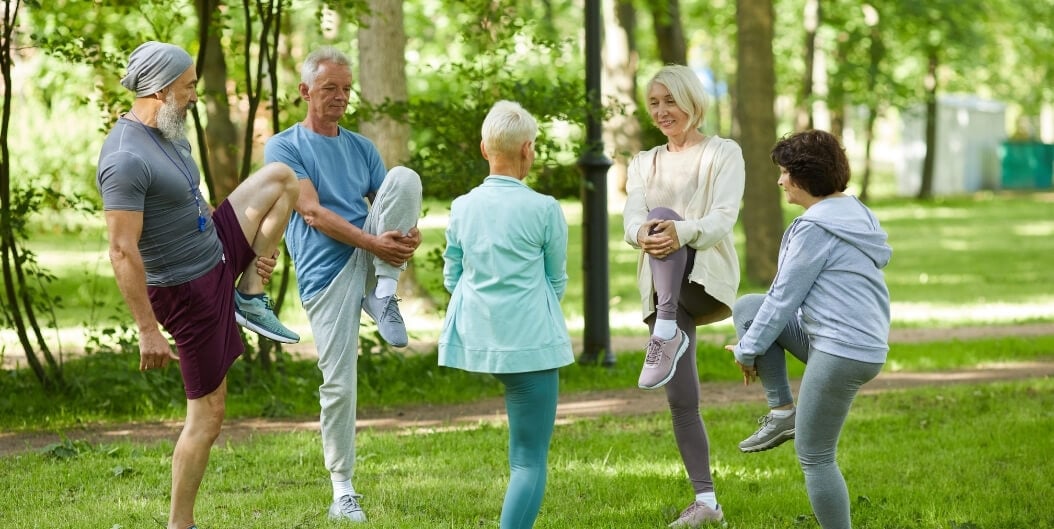
Maintaining balance is crucial to prevent falls and support. Simple exercises such as heel-to-toe walking, single-leg stands, and gentle yoga stretches help strengthen core muscles and improve stability. These activities can be adapted to match each resident’s ability and energy level, ensuring everyone can participate safely.
3. Strength Training and Resistance Exercises
Strength training helps seniors maintain muscle mass, bone density, and functional independence. Light weights, resistance bands, and bodyweight exercises like wall push-ups or sit-to-stand movements are all effective options. Regular strength training improves the ability to perform everyday activities while reducing the risk of injury and enhancing overall quality of life.
Cardiovascular Exercises for Seniors
4. Low-Impact Cardio Options
Cardiovascular exercises promote heart health and endurance while minimizing joint stress. Options like walking groups, stationary cycling, or water aerobics provide a safe and enjoyable way to keep the heart strong. Group cardio activities also create opportunities for social interaction, encouraging residents to stay motivated and consistent with their routines.
5. Adapted Cardio for Different Levels of Ability
Exercise can be modified to meet the needs of all residents. For those with mobility limitations, seated cardio or slow-paced walking allows seniors to participate safely. This inclusivity ensures that residents in cottages, independent living, and assisted living can all enjoy the benefits of cardiovascular exercise, no matter their physical ability.
Flexibility and Stretching Exercises
6. Gentle Stretching Routines
Stretching helps maintain joint health, reduce stiffness, and increase range of motion. Neck, shoulder, back, and leg stretches can be performed individually or in small group classes, providing relaxation and a gentle way to stay flexible.
7. Yoga and Tai Chi Adaptations
Yoga and Tai Chi offer multiple benefits for seniors, including improved flexibility, balance, and mindfulness. Simplified routines are ideal for assisted living residents and can also be adapted for independent living or memory care participants. These exercises provide calming mental benefits while enhancing physical stability.
Tips for Safe Exercise in Assisted Living
Consult Healthcare Providers
Before starting any new exercise routine, it’s important for residents to consult healthcare providers. Individual health conditions, mobility concerns, or recovery needs should guide the choice of exercises to ensure safety and effectiveness.
Start Slowly and Progress Gradually
Seniors should begin with low-intensity exercises and gradually increase the duration and difficulty as strength and confidence improve. Regular, moderate activity is more effective than occasional high-intensity sessions and helps prevent injury while building endurance over time.
Social Benefits of Group Exercise in Assisted Living
Encouraging Social Interaction
Group fitness classes and walking clubs provide more than physical benefits, they create opportunities for social engagement. Residents meet peers, make friends, and share experiences, which can significantly enhance emotional well-being and reduce feelings of isolation.
Motivation and Accountability
Participating in group exercises fosters motivation and accountability. Residents encourage one another, celebrate achievements, and maintain a consistent routine. These shared experiences create a sense of camaraderie and belonging that enhances overall quality of life.
How Assisted Living Communities Support Exercise for Residents With Different Mobility Limitations
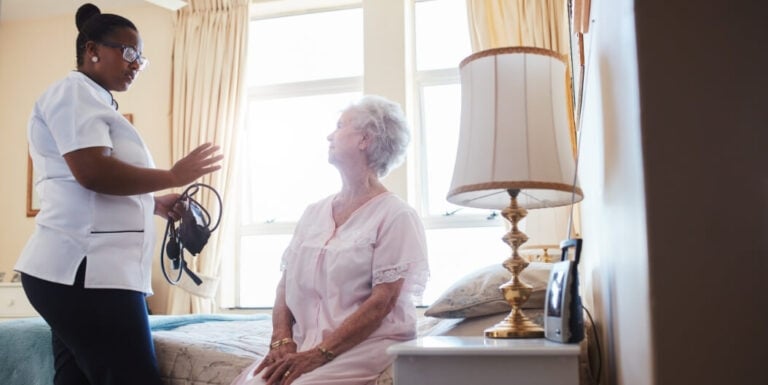
Assisted living residents have access to on-site fitness programs tailored to their needs. Staff-led classes, walking groups, chair exercises, and resistance training sessions ensure residents remain healthy, mobile, and engaged. Supervised exercise routines promote safety while maximizing health benefits.
Worried About Your Declining Mobility in Your Golden Years? Consider Moving to Assisted Living at The Viera Senior Living Today
Physical activity is a cornerstone of healthy aging. At The Viera Senior Living, residents in assisted living benefit from tailored exercise programs that strengthen the body, stimulate the mind, and foster meaningful social connections. With access to so many exercise options, you can enjoy safe and effective workout opportunities, which will enhance your mobility, independence, and emotional well-being.
Schedule a tour today to see how The Viera Senior Living can help you stay mobile, healthy, and connected through engaging fitness programs and a supportive community environment.